

June 11, 2023
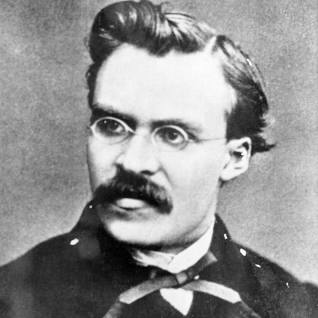
Friedrich Nietzsche was a German philosopher, cultural critic, and poet who lived from 1844 to 1900. He is widely regarded as one of the most influential and controversial thinkers of the modern era, and his ideas have had a profound impact on philosophy, literature, and culture.
One of Nietzsche’s most famous ideas is the concept of the “will to power.” According to Nietzsche, all living beings are driven by a fundamental desire to exert their power and achieve dominance over their environment. This desire for power is not necessarily aggressive or violent, but rather a natural expression of the individual’s inherent will to live and thrive.
Another key theme in Nietzsche’s philosophy is the concept of the “Übermensch,” or “superman.” This concept refers to an idealized human being who has transcended the limitations of traditional morality and achieved a state of self-mastery and creativity. The Übermensch is not bound by conventional values or beliefs, but rather creates his or her own values and lives according to his or her own vision of greatness.
Nietzsche’s philosophy has often been associated with nihilism, or the rejection of traditional moral and religious values. However, Nietzsche himself did not advocate a nihilistic worldview. Instead, he believed that individuals should create their own values and meanings in life, rather than relying on external sources of authority or tradition.
Nietzsche’s ideas have had a profound impact on literature and culture. His emphasis on individualism,, and self-mastery has influenced writers and artists from James Joyce to Salvador Dali. His critique of traditional morality and religion has also been a major influence on existentialist and postmodernist thought.
However, Nietzsche’s ideas have also been controversial and divisive. His rejection of traditional values and his emphasis on the will to power have been criticized as promoting a dangerous and amoral worldview. Additionally, some of his ideas have been associated with fascist and authoritarian ideologies, although Nietzsche himself rejected these movements.
In conclusion, Friedrich Nietzsche was a highly influential and controversial philosopher whose ideas have had a profound impact on, literature, and culture. His emphasis on the will to power, the Übermensch, and the rejection of traditional values and beliefs have admiration and criticism. Despite the controversies surrounding his ideas, Nietzsche remains a major figure in modern philosophy and continues to inspire new generations of thinkers artists.

 🇺🇸Welcome to NetChatTV ∞ US News, World News, Politics, Firearm News, Tech. News, and 2A Issues. I Am A Law Abiding American Citizen, A Constitutionalist and An American Patriot🇺🇸